Products we deal
Rice and Cereal
We deal with all types of Rice items with high quality
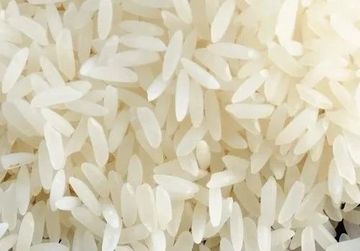
Sona Mansuri Rice
Sona Masuri rice, a fragrant medium-grain variety popular in South India, excels in simple daily meals and flavorful one-pot dishes due to its fluffy, non-sticky texture when cooked.
Nutritional Traits: Lower starch than long-grain rices; provides balanced carbs, easy digestion, and sustained energy; preferred for daily consumption over heavier varieties.
Spices
Good quality of spices includes Red Chillies , Cloves, Cardamom and Pepper
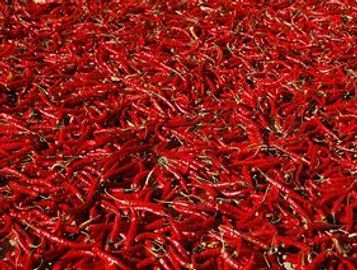
Mirchi / Red Chilli
Mirchi delivers fiery heat (measured in Scoville units, from mild to extreme like ghost peppers over 1 million SHU), with fruity, smoky, or earthy notes depending on variety; fresh ones are crisp, dried are powdery
Health Benefits:
Rich in vitamins C/A, antioxidants; aids digestion, boosts metabolism, has antimicrobial/anti-inflammatory effects; traditionally for colds, pain relief (capsaicin topical).
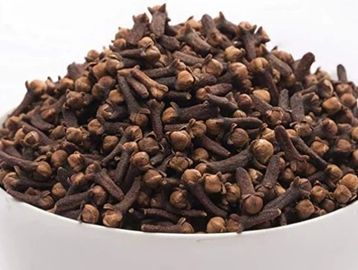
Cloves (Lavanga)
Cloves (lavanga) are widely used as a spice in cooking, baking, and beverages for their warming flavor, often in masalas, teas, and pickles. In Ayurveda, it's valued for digestive benefits like relieving bloating, nausea, gas, and acidity, while also acting as an expectorant for coughs and a remedy for toothaches when oil is applied.
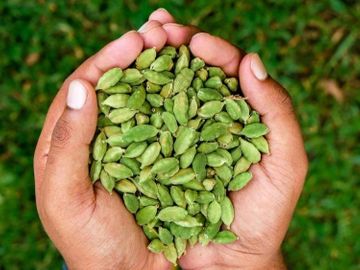
Cardamom
Cardamom is a highly aromatic spice from the seed pods of plants in the genera Elettaria and Amomum, mainly Elettaria cardamomum (green cardamom) and Amomum subulatum (black cardamom), both in the ginger family (Zingiberaceae).
Contains antioxidants with anti-inflammatory, antimicrobial properties; used traditionally for digestion, blood pressure, and oral health, though evidence varies.
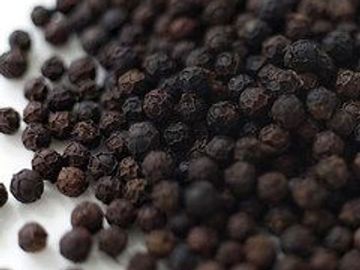
Black Pepper
Black pepper is the berry of a flowering vine in the Piperaceae family, native to the Malabar Coast of India. Known as the "King of Spices," it's ubiquitous in Indian curries, rasam, pepper water, global seasonings, meats, soups, and table grinders; pairs with salt, turmeric, and chilies.
Health BenefitsRich in manganese, iron, vitamin C/K, and fiber; provides anti-inflammatory, antioxidant, antimicrobial effects; aids digestion, blood sugar control, and traditionally used in Ayurveda for respira
Nuts
Indian nuts commonly refer to popular varieties like cashews, almonds, walnuts, pistachios, and peanuts widely cultivated and used in Indian cuisine.
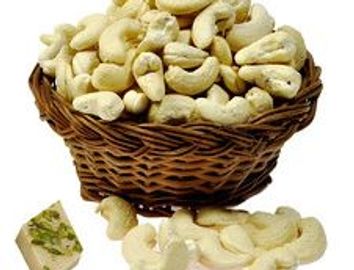
Cashews
Cashews are kidney-shaped seeds from the cashew tree (Anacardium occidentale), an evergreen in the sumac family native to Brazil but now heavily cultivated in India, Vietnam, and Africa.
Raw cashews offer a mild, sweet, buttery taste with a firm-crisp texture; roasting enhances nutty depth. Lower in fat than many nuts, they blend smoothly when processed.
Health Benefits: Rich in heart-healthy monounsaturated fats, protein (18%), antioxidants, magnesium, and copper; support weight management, redu
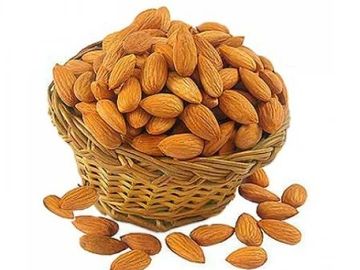
Almond / Badam
Almonds, known as badam in Telugu and Hindi, are nutrient-dense edible seeds from the Prunus dulcis tree in the rose family, native to the Middle East and South Asia but majorly produced in California, India, and Australia
Nutritional Benefits: Per 28g (23 almonds): 160 calories, 14g healthy fats (mostly monounsaturated), 6g protein, 3.5g fiber, 48% DV vitamin E, plus magnesium (18% DV) and manganese; supports heart health, antioxidants reduce cholesterol oxidation, aids weight control via Satiet
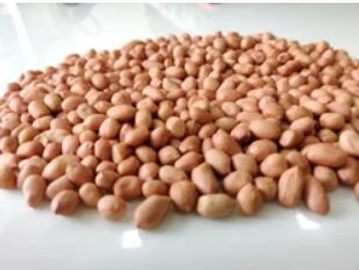
Groundnut/ Peanuts
Groundnuts, also known as peanuts, are legumes (Arachis hypogaea) rather than true nuts, grown underground in pods and widely cultivated in India (especially Gujarat, Andhra Pradesh).
Health Benefits: per 28g (handful): 160 calories, 25% protein, 50% healthy fats (monounsaturated), fiber, B-vitamins (niacin), magnesium, resveratrol; supports heart health, weight loss, diabetes control, and antioxidants rival tree nut
All rights reserved Copyright 2023